
18 Cozy Reading Room Ideas for Book Lovers
A cozy reading room is the opposite of scrolling on your phone. It’s quiet, intentional, and built for one thing: getting lost in a book. […]
A cozy reading room is the opposite of scrolling on your phone. It’s quiet, intentional, and built for one thing: getting lost in a book. […]
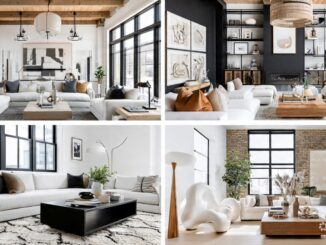
Modern design isn’t cold white boxes and furniture you can’t sit on. Real modern style is warm, livable, edited, and rooted in function. It’s about […]
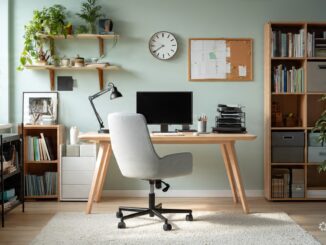
A study room isn’t just a desk in a corner. If you work from home, take online classes, or need a place to actually concentrate, your environment either helps your brain focus or fights it every minute. Distraction is the enemy of deep work. Visual clutter, bad lighting, uncomfortable seating, and noise all chip away at your attention. The best study rooms are designed like a cockpit: everything you need within reach, nothing you don’t need in sight, and sensory inputs tuned for focus. These 26 ideas use psychology, ergonomics, and design to help you get in the zone and stay there. Whether you have a whole room or just a nook, you can build a space that makes focus easier. The Focus Formula: Light + Ergonomics + Calm + Control Research shows 4 things impact focus most: natural light, ergonomic setup, low visual noise, and control over your environment. Every idea here targets at least one. Location & Layout: Set Yourself Up to Win 1. Face Your Desk Toward the Door, Not a Wall The look: Desk positioned so you see the door when seated, ideally with a wall behind you. Why it works: Evolutionary psychology calls this “command position.” You’re less anxious when you can see who’s coming. Staring at a wall all day feels like punishment. Get the look: If you must face a wall, put inspiring art or a window view in your line of sight. Never put your back to the door if you can help it. 2. Put Your Desk Near Natural Light, But Not In Glare The look: Desk perpendicular to window. Natural light hits you from the side. Why it works: Natural light regulates circadian rhythm and reduces eye strain. Direct glare on screens causes squinting and headaches. Side light is best. Get the look: North-facing windows give consistent light without harsh sun. Use sheer curtains to diffuse if south/west facing. 3. Create a “Focus Zone” Even in a Bedroom The look: Rug + paint color + lamp defining the study area. Back to the bed if possible. Why it works: Context cues matter. Your brain associates bed with sleep. If you study where you sleep, neither works well. Get the look: Use a room divider, bookcase, or even paint one wall a different color to mentally separate work from rest. 4. Keep Your Back to Clutter The look: Desk faces out into room, with storage and clutter behind you. Why it works: Out of sight, out of mind. Visual clutter in your peripheral vision drains focus even if you’re not looking at it. Get the look: Put shelves and filing behind you. Keep your sightline clean — wall, window, or art only. Desk & Ergonomics: Comfort = Focus 5. Get a Real Desk, Not a Dining Table The look: 28–30” high desk, 24–30” deep, 48”+ wide. […]
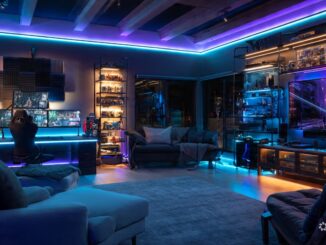
A gaming room isn’t just a PC in a corner anymore. Whether you’re into competitive FPS, cozy sims, retro consoles, or VR, your setup affects […]
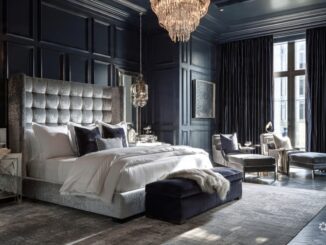
Hotel bedrooms feel different. You walk in, drop your bags, and immediately exhale. The bed looks like a cloud. The lighting is perfect. Everything is calm, edited, and a little bit indulgent. You can get that same feeling at home. Luxury hotel design isn’t about spending $50k. It’s about scale, symmetry, layers, lighting, and removing friction. Hotels obsess over how a room functions because bad sleep = bad reviews. These 20 ideas break down the tricks 5-star hotels use to make bedrooms feel elevated, restful, and quietly luxurious. Pick 5 and your bedroom will feel like a suite. What Makes a Bedroom Feel Like a Hotel No clutter. Every surface is edited. Symmetry. Matching lamps, matching nightstands. It calms your brain. Layers. Bedding, lighting, and texture are all layered. Darkness. Blackout drapes, no light leaks. One focal point. Usually the bed wall. Not 5 competing ideas. Let’s get into the details. The Bed: Your Focal Point 1. Go Oversized With Your Headboard The look: Headboard that’s wider than the bed and taller than standard — 60”+ high for king, upholstered or paneled to the ceiling. Why it works: Hotels use scale to create drama. A big headboard makes 8ft ceilings feel grand. It anchors the whole room. Get the look: DIY with plywood, foam, and fabric. Or hang a large rug or textile behind the bed. Width should be 6–12” wider than mattress on each side. 2. Invest in Hotel-Style Bedding: All White, High Thread Count The look: Crisp white cotton percale or sateen sheets, white duvet, 4 standard pillows + 2 euros. Why it works: White reads as clean and luxurious. Hotels use it because it bleaches well and signals freshness. Get the look: 300–500 thread count cotton percale. Avoid prints. The luxury is in the texture, not pattern. Add a folded throw or blanket at the end for contrast. 3. The Triple Sheet Method The look: Fitted sheet + flat sheet + lightweight blanket + flat sheet + duvet. […]
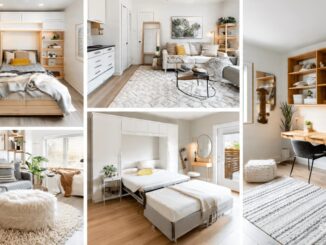
Small rooms are not a design punishment. They’re a design challenge. And when you get it right, a small room feels intentional, cozy, and smarter […]
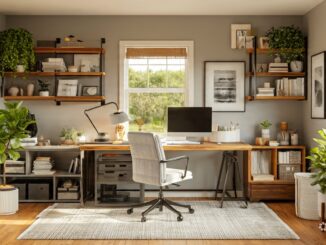
Your home office can either fuel deep work or drain you by 2pm. The difference isn’t just willpower — it’s design. Light, layout, ergonomics, and […]
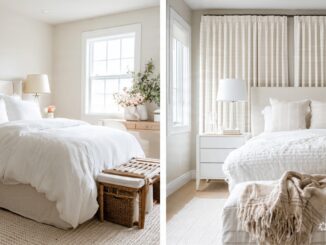
A guest room says a lot about how you host. The best guest rooms don’t feel like a storage closet with a bed shoved in. […]

Designing a kids’ room is a balancing act. It needs to be fun enough that they actually want to play and sleep in there, but […]
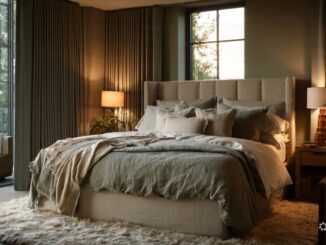
Your bedroom is the one room that’s truly yours. It’s not for guests, not for performance. It’s for sleep, rest, and recharging. If your bedroom […]
Copyright © 2026 | WordPress Theme by MH Themes